
Successful audit management is the key to greater quality, security and compliance in your company. Optimize processes and minimize risks with a sophisticated audit management system.

.webp)
.webp)
.webp)

.webp)
.webp)
.webp)

.webp)
.webp)
.webp)
.webp)

.webp)
Audits are not just a formal obligation, they are the key to continuous improvement of processes, products and services. Systematic audit management in accordance with ISO 19011 ensures that companies critically review their internal processes, identify risks at an early stage and meet regulatory requirements. This standard provides guidelines for planning, carrying out and following up audits and helps companies to make their audit processes efficient and consistent.

ISO 19011 is the international standard for audit management and provides a proven framework for internal and external audits. It defines principles for auditing management systems, provides practical recommendations for audit planning and highlights the importance of a risk-based approach. Companies that align their audit processes with this standard benefit from greater transparency, higher efficiency and improved quality assurance. ISO 19011 also ensures that audits are carried out objectively, independently and systematically.
Unstructured audit management can quickly become a nightmare: documents are scattered across different departments, responsibilities are not clearly defined and deadlines are forgotten. When an important audit date is imminent, there is a hustle and bustle and valuable time is wasted searching for documents or clarifying responsibilities. This leads to chaotic process testing, frequent errors, and valuable findings cannot be consistently used. Quality assurance suffers as a result, and instead of focusing on optimizing processes, teams spend an unnecessary amount of time on administrative tasks. In addition to internal challenges, there are financial and legal risks: high costs due to inadequate preparation, fines due to compliance violations and potential damage to reputation due to lack of audit controls. All of this can be avoided if a structured audit management system is implemented. In addition, a lack of transparency makes collaboration between teams difficult. An audit, which is actually intended to contribute to quality assurance, instead becomes a stressful hurdle.

Imagine that your company is preparing for an important certification. Without a clear system, documents have to be laboriously collected, responsibilities are unclear, and there is a growing fear of unforeseen deficiencies. This is where an audit management system comes in: It brings structure, efficiency and transparency to your audit processes.
A well-thought-out audit management system helps you:
The result? Less stress, less chaos, and more safety with every test. With a digital audit management system such as Aeneis, you save valuable time, minimize risks and sustainably improve the quality of your processes.
An audit can be the moment when weaknesses become visible — a moment that offers both challenge and opportunity. But instead of losing the discovery of a critical discrepancy in confusing lists or emails, it can be integrated directly into your existing process management system. In this way, improvement measures are not only documented, but implemented directly and efficiently.
The integration of audit management into the powerful Aeneis process management system enables:
With this integration, companies not only save time and money, but also strengthen their compliance and competitiveness through proactive audit and process management.
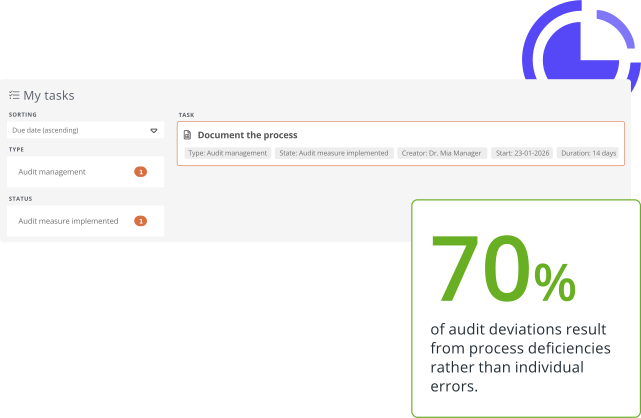
The introduction of an audit management system is a strategic process that should be carefully planned and implemented. The following steps are essential:
1. Analysis and requirement definition: Before an audit management system is introduced, the company's specific requirements should be identified. What types of audits need to be carried out? Which regulatory requirements are relevant? Are there existing systems that need to be integrated?
2. System selection and evaluation: Not all audit management software fits the individual needs of a company. A comprehensive market analysis helps to identify the right solution. Criteria such as usability, scalability, integration options and automation potential should be considered.
3. Pilot phase and phased implementation: A gradual introduction in the form of a pilot phase makes it possible to test the new system in a controlled environment. This allows initial training, feedback to be collected and adjustments made before the system is rolled out across the company.
4. Training and change management: A new audit management system can only be successful if users actually use it effectively. That is why targeted training and accompanying change management measures are essential. Employees should be involved at an early stage to ensure acceptance and use of the system.
5. Establishment of processes and continuous optimization: After implementation, the audit management system should be continuously evaluated and improved. Through regular monitoring and adjustments to new regulatory requirements or corporate goals, the system remains efficient and valuable in the long term.

Regardless of whether it's a certification, monitoring or recertification audit, in Aeneis, you can complete your audits in 3 simple steps and in accordance with ISO 19011:

Automated audit planning
Reduces administrative effort.

Digital audit documentation
Ensures a central, audit-proof filing of all audit results.

Effective action tracking
Ensures that audit findings are dealt with quickly and consistently
The audit management app offers the ideal solution for a smooth audit process in accordance with ISO 19011.

This is how you carry out your audits in 3 steps, everything is fully integrated, digital and structured.
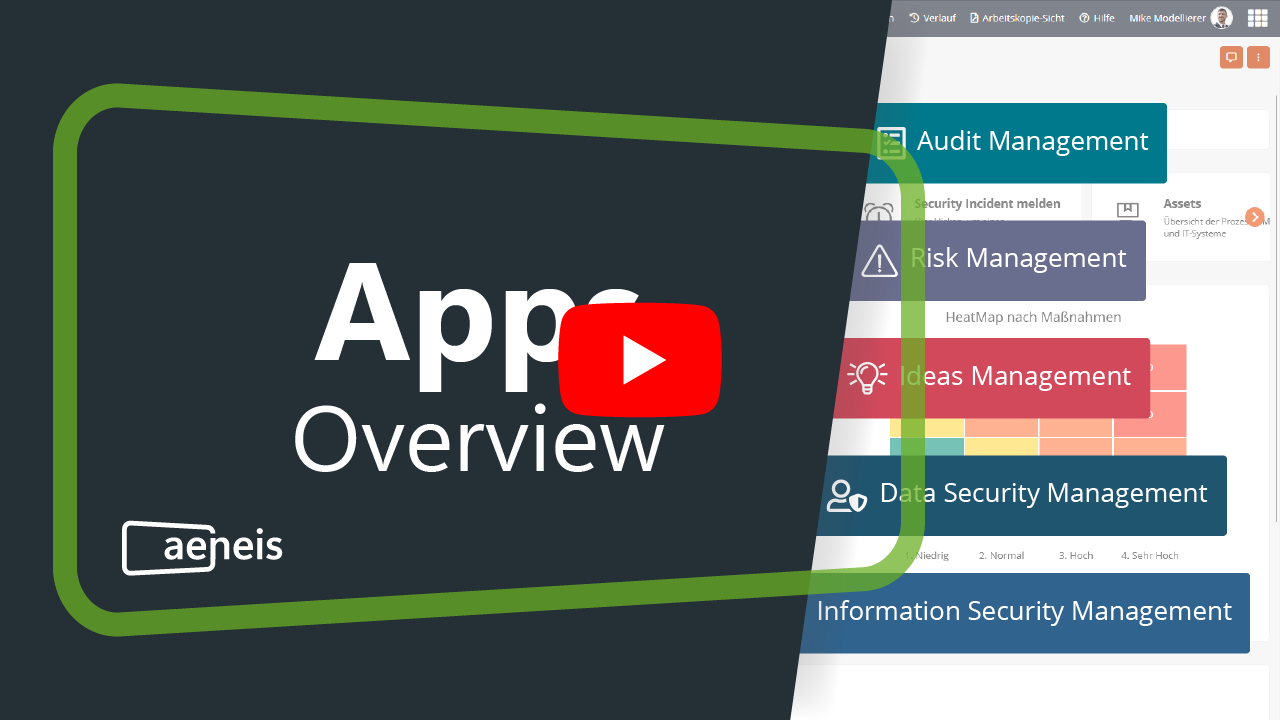
Insight into risk management, ISMS, audit management, data protection management, and idea management apps.

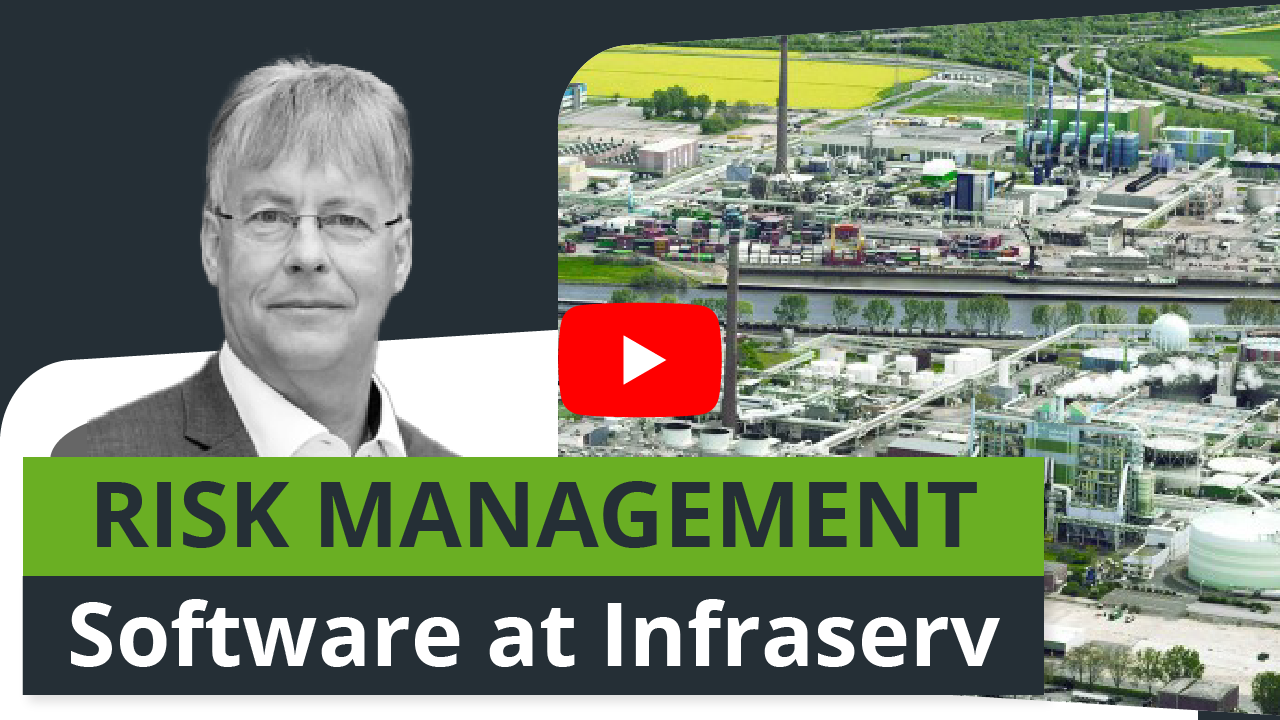
Bernd Hientzsch from Industriepark Höchst, leading site developer and expert in chemistry-related services, not only provides insights into the world of risk management, but also sheds light on why solid preparation for emergencies is crucial.

Martin Grünwald reports on what process management looks like in everyday life at PMS Electrical and Automation Technology and gives practical insights into how they maintain their high quality standards and constantly improve their efficiency with Aeneis.

Michael Baumann shows how Aeneis reduced manual work at Klagenfurt Hospital and freed up more time for core medical business and patients. More quality and fewer risks through improved processes through process management in Aeneis.


.avif)


